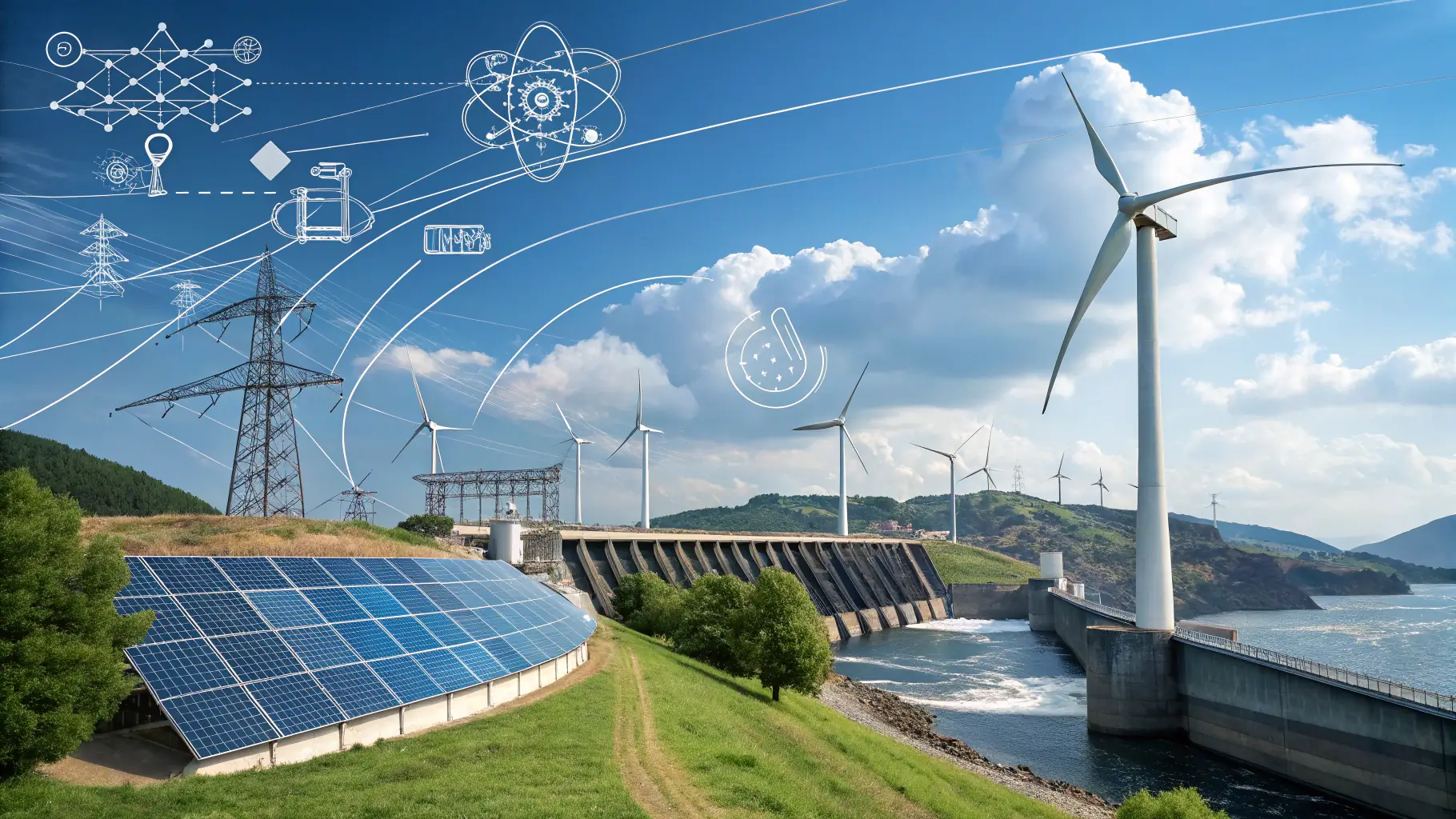
Economic planning is essential for achieving sustainable development goals. By incorporating environmental and social considerations into economic strategies, governments and businesses can create a more resilient and equitable future. This involves identifying and addressing environmental challenges, promoting social inclusion, and fostering innovation. A well-defined economic plan can guide resource allocation and investment decisions. Sustainable economic planning requires a holistic approach that considers the interconnectedness of economic, social, and environmental factors. This involves identifying key economic drivers, assessing environmental risks, and promoting social equity. By integrating these factors, economic planning can create a more sustainable and prosperous future for all. This approach is crucial for long-term financial stability. Effective economic planning fosters innovation and technological advancements that drive sustainable development. By investing in research and development, governments and businesses can create new technologies and solutions that address environmental challenges and promote economic growth. This approach can lead to significant financial returns and create a more resilient economic system.
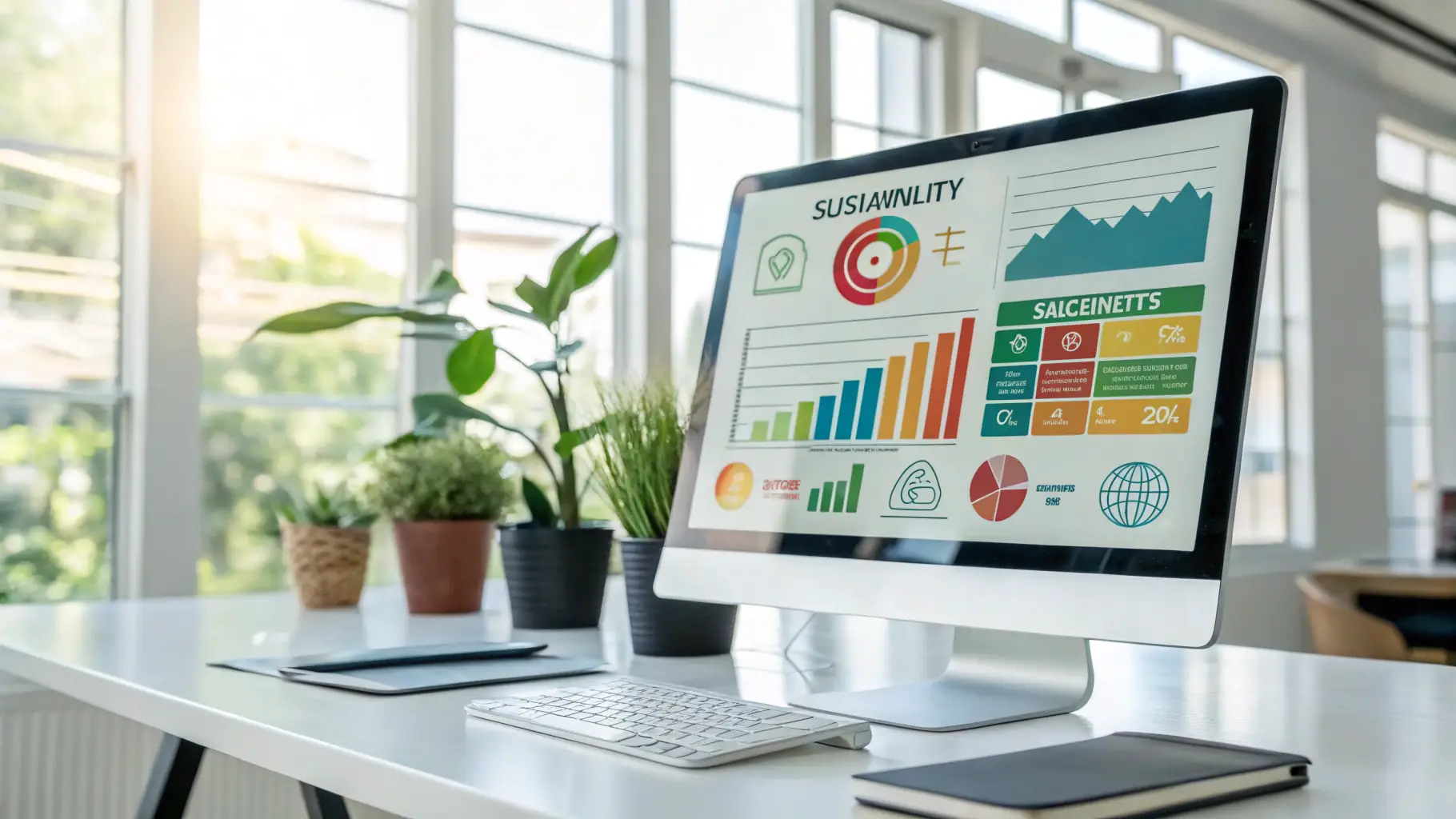
Financial Growth Through Sustainable Practices
Sustainable business practices are not just environmentally responsible; they also offer significant opportunities for financial